
Many users pick resistance bands by goal: light for rehab and mobility, medium for full-body work, and heavy for power moves. To aid you in selecting wisely, the following sections discuss types, tension levels, safety, and maintenance.
✅ Understanding Latex Resistance Band
A latex resistance bands offer variable resistance across movements and muscle groups, so they fit athletes, newbies, and busy professionals looking for toning and strength without the bulk.
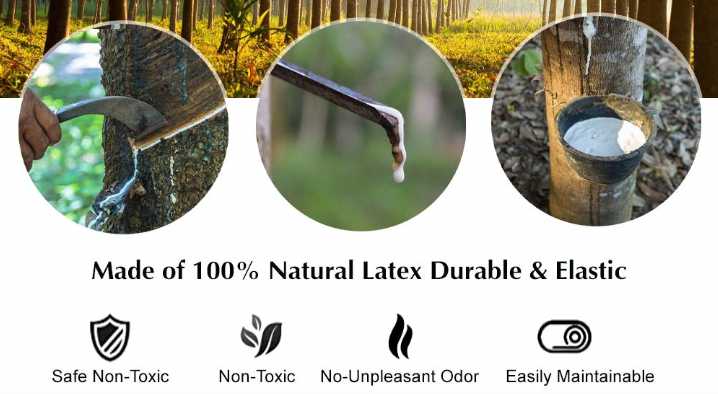
Natural Material
Latex is derived from rubber tree sap (Hevea brasiliensis). The sap is tapped, processed into sheets or loops, and then sliced to various widths and thicknesses for specific resistance levels. This background contributes to the band's natural feel and grippy texture that lots of people love for tight grabs.
Latex is renewable and perceived as more eco-friendly than synthetic elastomers. It generally has a smaller carbon footprint and is biodegradable in the right composting conditions, which diminishes the long-term waste impact compared with petroleum-based bands. Others select latex for longevity; several bands will survive years under regular care.
Superior Elasticity
Latex bands provide consistent, measurable resistance throughout the movement. This consistent tension helps maintain good form on rows, presses, squats and mobility drills. The elastic profile assists smooth, controlled repetitions. You can then slow the eccentric phase and keep joints in safer paths during rehab or warm-ups.
They snap back to original length after multiple cycles, holding shape and tension. With stretch capacity that fits low-load therapy and high-intensity sessions alike, a single set can span light rehab, explosive warm ups, and heavy compound movements.
Progressive Tension
Progressive resistance occurs because the band fights you more the further it stretches. The load is light at the beginning and then builds toward the end range where many lifters are more powerful, facilitating joint-friendly training and full-range strength.
This slow increase activates muscles without sudden hard peaks. It is handy for return-to-play plans, tempo work, and accessory lifts such as face pulls, hip abductions, and assisted pull-ups. Employ progressive tension for both rehab (light bands, higher control) and advanced strength work (heavier bands, layered with weights).
✅ Understanding TPE Resistance Bands
TPE resistance bands come as closed loops, flat strips, or tube sets with handles, similar to latex bands. Several companies promote TPE as a safe option for people with latex sensitivities.
Synthetic Origin
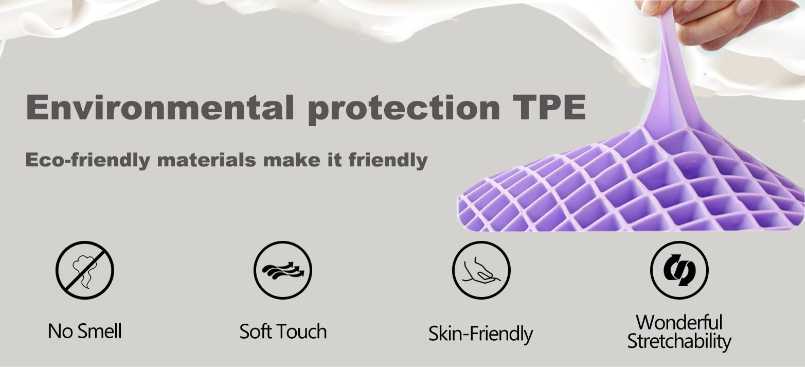
TPE bands are made from engineered polymers, not natural rubber. This synthetic origin enables close control of thickness, width, and density during extrusion. Sets across light to heavy frequently measure more consistently than cheap latex sets. Color and surface finishes range from matte pastels to high-gloss neons, which aids with load cues visually in clinics and home gyms.
From a price perspective, TPE bands offer a lower entry price than a lot of latex sets. Swapping out a TPE set every year can still be less expensive overall based on how intense and how frequent your workouts are.
Consistent Stretch
TPE bands provide very steady, predictable resistance throughout the range. The resistance ramps up quickly and remains constant. This is something that lifters and therapists like for controlled tempos and fine load increments.
They stretch approximately 100-300 percent of their length, so there is less elasticity than latex. This results in greater or quicker tension build-up, which is helpful for early “brace early” cues in squats, pulldowns, and rows. It deforms very little between sessions and tends to spring back nicely, even with heavy use.
Hypoallergenic Nature
TPE has no natural latex proteins, so it's less likely to cause an allergic reaction for those with sensitivities. The surface feel is smooth, delicate, and slick, which is gentler on skin during the higher-rep rehab work or long holds.
Clinics and public gyms often carry latex-free versions to safeguard communal users. TPE addresses that requirement at volume, but do note it requires yearly replacement as micro-cracks develop. Environmentally, TPE's limited biodegradability and manufacturing footprint are trade-offs as well.
We are committed to delivering exceptional support and
top-tier service whenever you need it!
✅ Direct Performance Comparison
They are interested in a direct performance comparison of latex vs TPE bands in actual use. The table provides an overview and information on stretch, longevity, feel, price, and abrasion to help you pair the band with your schedule and environment.
| Factor | Latex Bands | TPE Bands |
| Elasticity | Very high stretch (up to 6–7x length); strong snap-back | 100–300% stretch; steadier, faster tension build-up |
| Durability | Long-lasting, tear-resistant; sensitive to UV/sweat without care | Often ~1 year before surface cracks; good heat/moisture resistance |
| Sensation | Natural, smooth, slightly powdery; grippy/tacky | Slicker, softer, less tacky |
| Cost | Often 20–30% higher upfront; better long-term value | Lower upfront; may need yearly replacement |
| Resistance | Broad range; dynamic feel suits power work | Broad range; controlled feel suits tempo work |
Elasticity
Latex bands provide greater elasticity and stretch ratio, snapping back strongly at 6-7 times resting length. Direct performance comparison: This dynamic curve benefits quick tugs, bounces, and mixed-range maneuvers across compound patterns.
TPE bands stretch 100-300 percent of their length. Tension builds faster and more linearly, which can help pace sweat control and provide nice smooth tempo work where you want fewer spikes in load.
Durability
Latex, with its incredible stretch and powerful tear resistance, lasts for years when stored properly. It can deteriorate with UV, heat, or sweat if left exposed, so wipe down and keep out of sun to minimize oxidation.
TPE resists moisture and heat and is less reactive to sweat day in and day out. Many users notice surface cracks within about a year of heavy use, particularly at stress points or knots.
Sensation
Latex bands are natural, smooth, and lightly powdered, with a grippier, tacky surface on palms, ankles, and door anchors that helps traction.
TPR can seem harder or grippier, and some like it for extra skin comfort. It slips with sweat unless handles or chalk are used. Experiment with both to discover the grip and comfort you prefer.
Cost
Latex sets generally run 20 to 30 percent more initially on material and supply, but they typically provide better value if you train hard and keep them clean and shaded.
TPE rates are often more affordable. Replacing TPE annually can remain the less-expensive avenue at light-to-moderate usage. Direct Performance Comparison: Compare per-band price by resistance, compare warranties, and evaluate lifespan to your weekly volume.
Resistance
Both range from super light all the way to extra heavy, encompassing rehab to strength blocks. Choose according to actual power, target speed, and exercise scope. Dynamic lifts go with latex, and controlled tempo goes with TPE.
✅ Selecting the Right Resistance Band
Pick the band to match your objectives, your skin, and your budget. Look at key specs: length, resistance level, surface texture, and included accessories prior to purchasing.
Your Fitness Goal
Start by naming your main aim: strength, mobility, endurance, or rehab. Strength typically requires higher resistance and stationary handles. Mobility and flexibility do better with lighter pull and longer reach. Endurance requires relatively low tension that you can repeat for high reps. Rehab requires very light, smooth resistance with fine control.
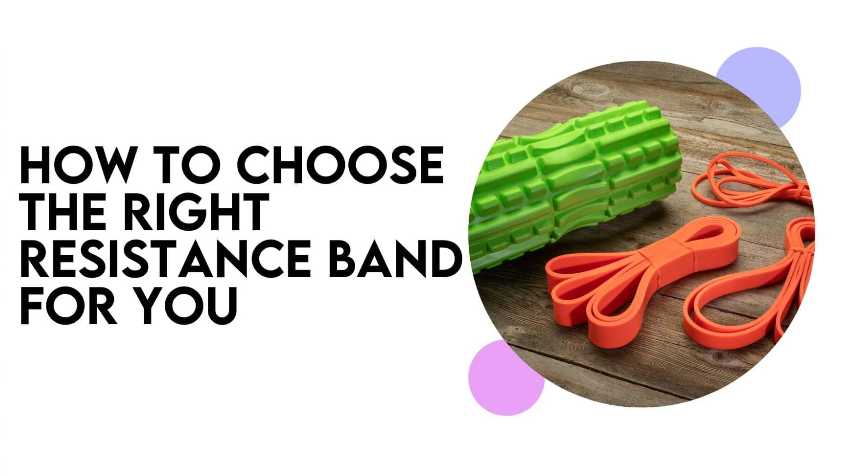
Match band type to target muscles and moves. Mini loop bands assist with squats, lateral walks, and hip thrusts for glutes, hips, and quads. For chest, back, and arms, tube bands with handles assist with back rows, presses, curls, and pull-aparts.
Skin Sensitivity
Have a known latex allergy, opt for TPE or fabric bands. TPE imitates the stretch of latex with no natural rubber proteins. Fabric bands mix elastic fibers with cloth and are generally good at sticking to skin or clothing.
Search for silky, matte, or powderless finishes. Rounded edges, low-friction coatings, and stitched fabric seams all help reduce rubbing. For extended sessions, when the band touches your thighs or shoulders, a lot of people choose fabric because it provides warmth, grip, and comfort.
Budgetary Constraints
Shop around for materials and compare cost and durability. Latex bands tend to have the lowest cost per piece and the best stretch. TPX is frequently mid-range with good value for non-latex needs. Fabric bands are more expensive initially but maintain form.
Compare warranty terms. 6-24 months is typical. Consider thickness specs and user weight or stretch limits. Look for accessories with durable stitching, metal carabiners, and secure handle cores.
✅ Conclusion
To choose a set, align your objective to the tension. See transparent weight ranges in kg. Try gripping and smelling it. If you are still undecided, leave a comment with your lifts and requirements and receive a prompt shortlist.

Talk To Our Experts
Connect with an NQ expert to discuss your product needs
and get started on your project.
✅ FAQs About Resistance Bands
Are latex resistance bands better than TPE bands?
Latex bands typically provide a smoother stretch, greater elasticity, and superior snap-back. TPE bands are less expensive and latex-free for users who have allergies. Pick depending on feel, durability, budget, and skin sensitivity.
Do latex resistance bands last longer than TPE?
Overall, yep. Good latex resists fatigue and cracking better than most TPE. Lifespan depends on care. Avoid heat, UV light, sharp edges, and oils. Check bands frequently and switch out at the initial indications of wear.
Are latex bands safe for people with allergies?
If you're allergic to latex, stay away from latex bands. Go for TPE, fabric, or latex-free alternatives instead. Always look over product labels and wash your bands to minimize skin irritation from sweat and friction.
How do I choose the right resistance level?
Pair the band with your strength level and exercise. For upper body, use lighter resistance. Select medium-heavy for lower body. Complete 8 to 15 reps, controlled, with good form. Modify as you gain strength.
Post time: May-31-2021